
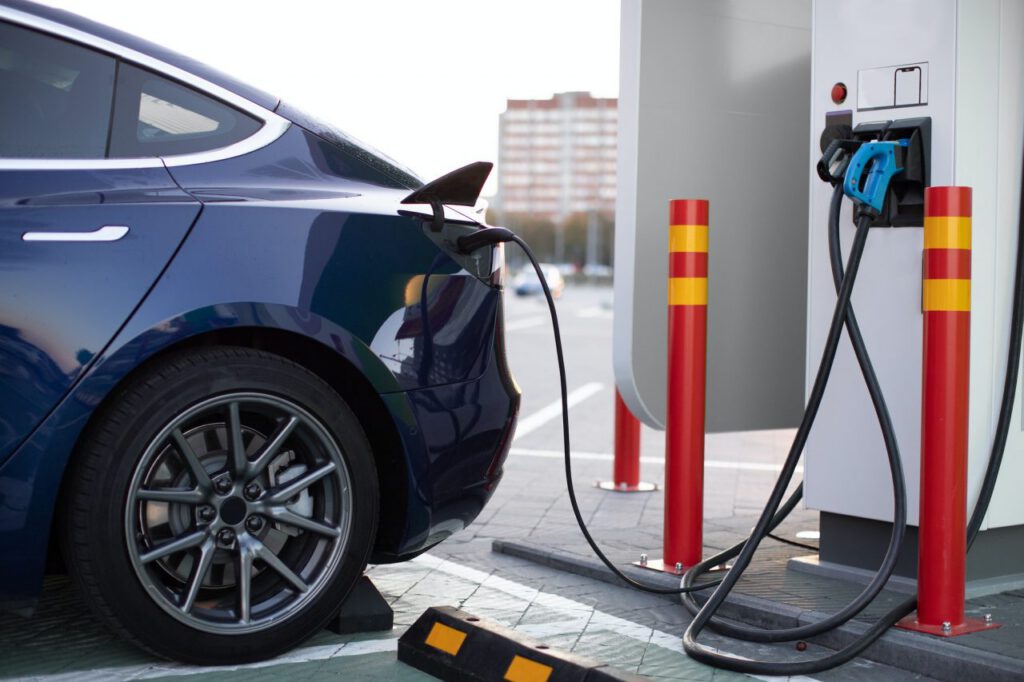
As EV charging infrastructure expands, one of the biggest challenges operators face is managing energy efficiently. With multiple vehicles charging simultaneously, uncontrolled power usage can lead to higher costs, grid overload, and operational inefficiencies.
This is where energy management and load optimization systems become essential.
Modern EV charging solutions are designed not just to deliver power, but to manage it intelligently, ensuring optimal performance, cost efficiency, and long-term scalability.
⚡ What Is Load Optimization in EV Charging?
Load optimization refers to the process of distributing available electrical power efficiently across multiple charging points.
Instead of supplying maximum power to all chargers simultaneously, the system dynamically adjusts power distribution based on:
- Number of active charging sessions
- Available grid capacity
- Priority settings
- Usage patterns
This ensures that the entire system operates smoothly without overloading the electrical infrastructure.
🔋 Why Energy Management Is Critical
Without proper energy management, EV charging networks can face several issues:
- Excessive electricity costs
- Power outages or system overload
- Reduced charger efficiency
- Increased maintenance requirements
By implementing smart energy management systems, operators can overcome these challenges and ensure stable and cost-effective operations.
🔧 Key Features of Energy Management Systems
Modern EV charging solutions include advanced features that enable intelligent energy control.
✔ Dynamic Load Balancing
Load balancing automatically distributes power between multiple chargers, ensuring efficient usage without exceeding capacity limits.
✔ Real-Time Monitoring
Operators can track energy consumption across all charging stations, helping them identify inefficiencies and optimize performance.
✔ Smart Scheduling
Charging sessions can be scheduled during off-peak hours to reduce electricity costs and avoid peak load charges.
✔ Data-Driven Insights
Detailed analytics provide insights into energy usage patterns, allowing operators to make informed decisions.
📊 Role of CMS in Energy Optimization
A Charge Point Management System (CMS) plays a crucial role in managing energy usage across the network.
Through CMS, operators can:
- Monitor power consumption in real time
- Adjust charging parameters remotely
- Optimize load distribution across stations
- Generate reports on energy usage and efficiency
This centralized control ensures that energy is used effectively across the entire network.
🏢 Benefits for Businesses and Operators
💰 Reduced Operational Costs
Optimized energy usage helps lower electricity bills and improve overall profitability.
⚡ Improved System Stability
Balanced load distribution prevents overloads and ensures consistent performance.
📈 Higher Efficiency
Efficient energy management allows more vehicles to be charged without increasing infrastructure costs.
🔄 Scalability
Operators can expand their charging network without worrying about power limitations.
🌱 Supporting Sustainable Energy Usage
Energy management is not just about cost savings — it also plays a key role in sustainability.
By optimizing power usage, EV charging systems can:
- Reduce energy wastage
- Lower carbon footprint
- Support integration with renewable energy sources
- Promote responsible energy consumption
This aligns with the broader goal of creating a clean and sustainable mobility ecosystem.
🚗 Real-World Applications
Energy management systems are especially useful in:
- Commercial charging stations with multiple chargers
- Fleet charging depots
- Residential complexes with shared charging infrastructure
- Public parking facilities
- Workplaces with high EV adoption
In these environments, efficient load management ensures smooth operation even during peak demand.
🚀 Future of Energy Management in EV Charging
As EV adoption increases, energy management systems will become even more advanced, incorporating:
- AI-driven optimization
- Predictive energy distribution
- Integration with smart grids
- Real-time demand response systems
These innovations will further enhance efficiency and reliability across EV charging networks.
🔚 Conclusion
Energy management and load optimization are essential for building efficient and scalable EV charging infrastructure. By intelligently distributing power, monitoring usage, and optimizing operations, these systems ensure that charging networks remain stable, cost-effective, and future-ready.
For businesses and operators, investing in smart energy management is not just an operational advantage — it is a strategic necessity for long-term success in the EV ecosystem.
🔗 Final Note
From AC chargers to DC fast charging, CMS platforms, connectivity systems, and energy management — modern EV charging is a complete technology ecosystem.
Businesses that adopt these integrated solutions today will be best positioned to lead in the rapidly evolving world of electric mobility.